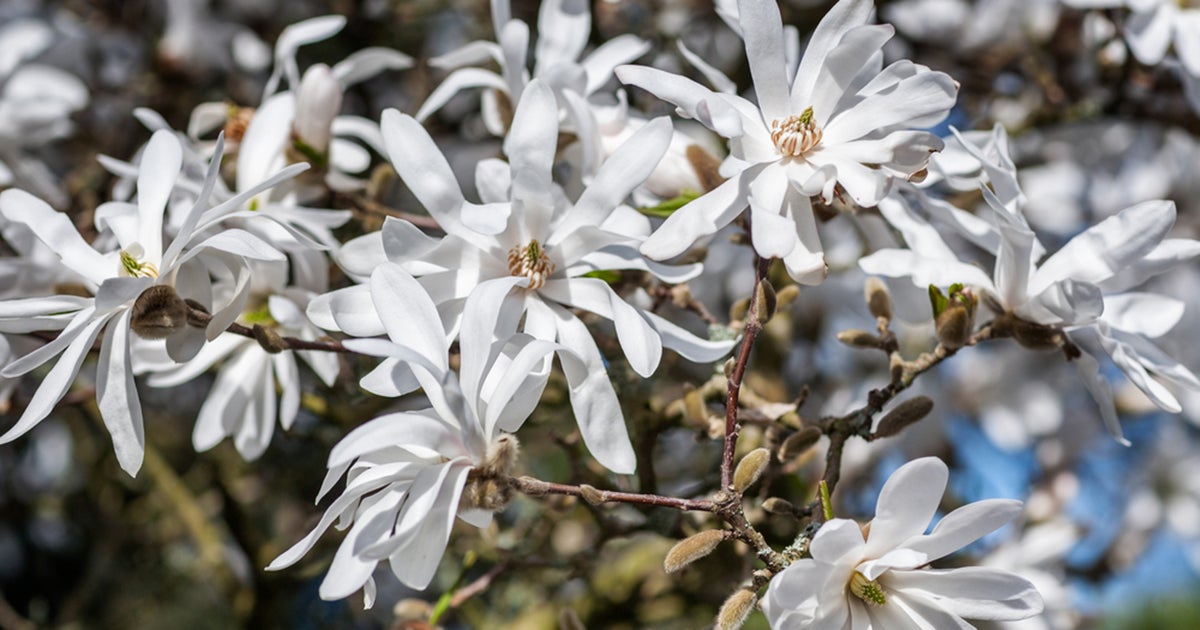
Understanding Magnolia Plant Safety: Bark, Seeds vs. Healing Flowers
Magnolias, with their opulent, often fragrant blooms and stately presence, are a beloved fixture in gardens worldwide. Their ancient lineage and stunning floral display bring an undeniable charm to any landscape. However, for many discerning gardeners and pet owners, a crucial question arises: Sind Magnolien Giftig? (Are magnolias poisonous?) While their beauty is undisputed, understanding the potential safety concerns, particularly regarding their bark and seeds versus their historically used flowers, is paramount.
The short answer is that while magnolias are not among the most highly toxic plants, certain parts do contain compounds that can be harmful, especially to curious pets. This article will delve into the specifics of magnolia toxicity, distinguishing between the various parts of the plant and offering practical advice for ensuring a safe and harmonious garden environment.
Decoding Magnolia Toxicity: Is it Truly Poisonous?
When compared to many other popular ornamental plants found in gardens, magnolias are generally considered to have a relatively low level of toxicity. This is a reassuring fact for enthusiasts of these magnificent trees and shrubs. However, it's crucial to understand that their toxicity isn't uniform across all plant parts, nor is the risk identical for humans and animals.
The primary compound responsible for any potential adverse effects in magnolias is an alkaloid known as Magnoflorin. This alkaloid, while present throughout the plant in varying concentrations, is most potent in specific areas. Upon ingestion, Magnoflorin can lead to symptoms such as skin and mucous membrane eczema, and in more severe cases, cramps. Fortunately, human consumption of the most toxic parts is rare, making the risk to people considerably lower than it is for inquisitive small animals.
It's this nuanced understanding of where and how Magnoflorin is concentrated that allows us to enjoy the splendor of magnolias safely while taking appropriate precautions, particularly around pets and young children. The question, "Sind Magnolien giftig?" thus demands a more detailed exploration of each plant part.
The Bark and Seeds: Where the Danger Lies
If there's one area of the magnolia plant that warrants particular caution, it's the bark and the seeds within its distinctive fruits. These are the parts where Alkaloid Magnoflorin is most concentrated, posing the highest potential risk.
Magnolia Bark: A Hidden Concern for Pets
The bark of the magnolia plant contains the highest concentration of Alkaloid Magnoflorin. For humans, the likelihood of consuming magnolia bark is extremely low, making it a minimal concern. However, for pets, particularly those prone to chewing or exploring with their mouths, magnolia bark can present a more significant hazard. Cats, rabbits, and other small animals might gnaw on fallen branches or the trunk itself, inadvertently ingesting toxic levels of Magnoflorin. Symptoms can range from mild gastrointestinal upset to skin irritation and, in more severe cases, neurological signs like cramps.
Pet owners should be especially vigilant. If you notice your pet chewing on magnolia bark, it's wise to intervene. Consider applying pet-safe deterrents to the trunk or lower branches, or ensuring fallen bark is regularly cleared. For a deeper dive into this specific concern, you can read more at Magnolia Toxicity: Is Alkaloid Magnoflorin Dangerous for Pets?
Magnolia Fruits and Seeds: A Seasonal Threat
As summer fades into autumn, magnolias produce unique, cone-like fruits that eventually split open to reveal bright red or orange seeds. These seeds, much like the bark, contain significant amounts of Alkaloid Magnoflorin. While birds can safely consume these seeds, they are not harmless for mammals.
The risk from magnolia seeds is particularly elevated for pets who might be attracted to the vibrant colors or textural novelty of the fallen fruits. Curious dogs, for instance, might mouth or ingest the seeds, leading to potential toxic reactions. An important distinction to note, highlighted by horticultural experts, is that the toxin content can vary. Original, wild varieties of magnolia tend to have lower levels of Magnoflorin in their seeds compared to many cultivated hybrids, which are often bred for their ornamental features and may contain significantly higher concentrations. This means that a hybrid magnolia in your garden could pose a greater risk than a species native to its natural habitat.
To mitigate this risk, it's advisable to regularly clear fallen magnolia fruits and seeds from areas accessible to pets. This is especially crucial during late summer and autumn when the fruits are mature and dropping.
The Healing Side: Magnolia Flowers and Leaves
In stark contrast to the bark and seeds, the magnolia's magnificent flowers and broad leaves tell a different story regarding toxicity. While trace amounts of Alkaloid Magnoflorin can be found in these parts, the concentration is so low that it typically does not pose a risk of poisoning. In fact, for centuries, certain magnolia components have been celebrated for their therapeutic properties.
Magnolia Flowers: Beauty with a Gentle Touch
The breathtaking flowers of the magnolia, particularly the buds, hold a revered place in traditional Chinese medicine (TCM). Known as Hou Po or Xin Yi Hua, these parts are not only aesthetically pleasing but are also traditionally utilized for their purported calming and anti-inflammatory effects. They have been historically employed to address various ailments, including respiratory issues like nasal congestion and sinusitis, and to promote relaxation.
It is important to clarify that while these traditional uses highlight a benign aspect of the flowers, this information should not be interpreted as an endorsement for self-medication. The preparation and application of herbal remedies require expert knowledge. However, for the average gardener, the beauty and fragrance of magnolia blooms can be enjoyed without concern for toxicity.
Magnolia Leaves: Simply Decorative and Safe
Similarly, the lush, often leathery leaves of the magnolia are considered safe. They contain only negligible amounts of Alkaloid Magnoflorin, far too little to cause any toxic reaction. Their primary role in the garden is ornamental, providing a rich green backdrop for the stunning flowers and contributing to the overall grandeur of the plant. Pets or children accidentally mouthing a magnolia leaf are highly unlikely to experience any adverse effects.
Safeguarding Your Garden: Tips for Pet Owners and Families
Enjoying the splendor of magnolias in your garden without undue worry is entirely achievable with a few proactive measures. Understanding that "Sind Magnolien giftig?" often depends on the specific plant part and the individual interacting with it allows for targeted safety strategies.
Prioritizing Pet Safety
- Supervision is Key: Always supervise pets, especially young or new animals, when they are near magnolia plants. Observe any behaviors like chewing or digging around the base of the tree.
- Deterrents: For persistent chewers, consider using pet-safe bitter sprays on the bark or lower branches of your magnolia. These often have an unpleasant taste that discourages gnawing without harming the plant or the animal.
- Prompt Cleanup: Regularly clear fallen magnolia bark, leaves, and particularly the seeds and fruits, especially during the autumn months. Dispose of them safely to prevent accidental ingestion by curious pets.
- Fencing Off: In cases of highly curious or persistent pets, or if you have a very young magnolia, temporary fencing around the plant might be a practical solution until your pet's behavior is more predictable.
- Know Your Pet: Some pets are simply more prone to nibbling on plants than others. Understanding your pet's habits will help you tailor your safety measures.
- Emergency Protocol: If you suspect your pet has ingested a significant amount of magnolia bark or seeds and is showing symptoms like vomiting, diarrhea, lethargy, or skin irritation, contact your veterinarian immediately. It's helpful to have information about the specific magnolia species (if known) and the approximate amount ingested.
For more detailed advice on protecting your furry friends, explore our comprehensive guide: Are Magnolias Poisonous? Parts, Risks, and Pet Safety Guide.
Ensuring Child Safety
While magnolias pose a low risk to humans, general plant safety rules apply, especially for young children.
- Educate and Supervise: Teach children not to eat any plants or berries from the garden without adult permission. Constant supervision of toddlers and very young children is always the best practice in any garden setting.
- Garden Design: If you have very young children who are still in the stage of putting everything in their mouths, consider planting magnolias in areas that are less directly accessible to them, or choose smaller varieties that are easier to monitor.
General Garden Management
- Pruning: Regularly prune dead or low-hanging branches. This reduces the amount of accessible bark and keeps the plant healthy.
- Species Choice: If you're particularly concerned about toxicity and are planning a new magnolia, inquire about specific varieties. As mentioned, wilder species might have lower toxin levels in their seeds compared to some highly cultivated hybrids.
Conclusion
So, Sind Magnolien Giftig? The answer, as with many aspects of nature, is nuanced. While magnolias are not highly poisonous, they do contain Alkaloid Magnoflorin, primarily concentrated in their bark and seeds, which can be harmful if ingested in sufficient quantities, especially by pets. The beautiful flowers and leaves, conversely, are generally considered safe and even hold traditional medicinal value in some cultures. By understanding which parts pose a risk and implementing simple, practical safety measures – particularly vigilant supervision and cleanup around pets – you can confidently enjoy the stunning elegance of magnolias in your garden without compromising the safety of your loved ones.