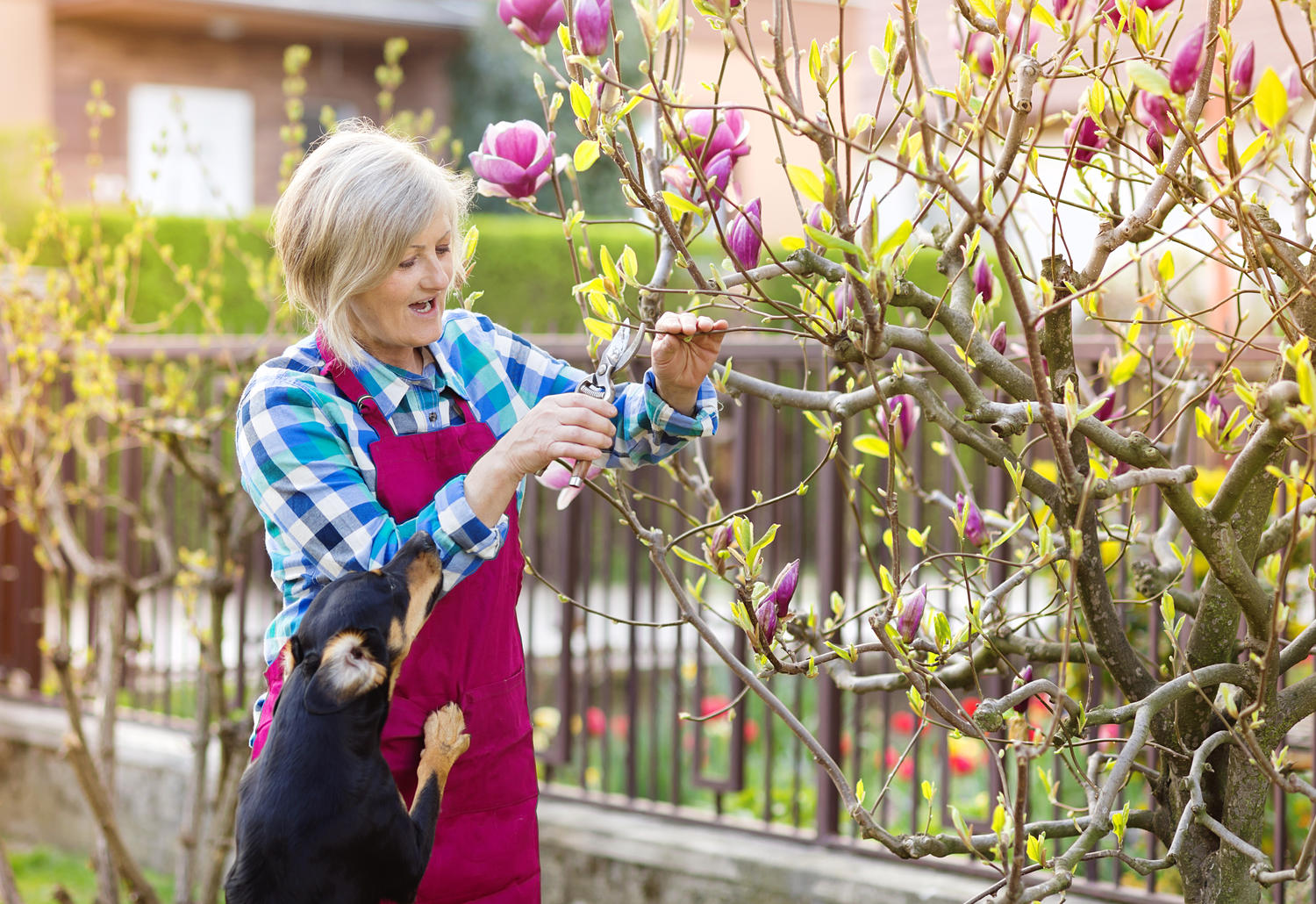
Are Magnolias Poisonous? Unpacking the Truth for Gardeners and Pet Owners
Magnolias, with their magnificent, often fragrant blooms, are cherished heralds of spring, gracing gardens and landscapes worldwide. Their iconic blossoms, ranging from pristine whites to vibrant pinks and deep purples, bring undeniable beauty. However, as with many popular ornamental plants, a common question arises among enthusiastic gardeners and vigilant pet owners: "Are magnolias poisonous?" Or, as many German speakers might search,
Sind Magnolien Giftig?
The short answer, much like the beauty of the magnolia itself, is nuanced. While magnolias are not considered highly toxic compared to some other garden plants (like lilies for cats or oleander), they do contain compounds that can be harmful, particularly if ingested in significant quantities. Understanding which parts of the plant pose a risk, to whom, and under what circumstances is key to enjoying these stunning trees safely.
Decoding Toxicity: Which Parts of the Magnolia Pose a Risk?
The primary compound of concern in magnolias is an alkaloid called
Magnoflorin. Its presence isn't uniform across the entire plant, meaning some parts are more potent than others. This variation is crucial for assessing potential dangers to both humans and pets.
The Bark: A Concentrated Concern
Of all the magnolia plant parts, the
bark contains the highest concentration of Alkaloid Magnoflorin. While an adult human is unlikely to consume enough bark to experience severe effects, accidental ingestion by curious pets or small children could lead to adverse reactions.
The symptoms of Magnoflorin ingestion, particularly from the bark, can include skin and mucous membrane irritation, potentially leading to eczema-like rashes. In more significant quantities, it can also induce cramps. For humans, the probability of consuming magnolia bark is generally low, making the risk minimal. However, for pets, especially those prone to gnawing on garden plants, the bark presents a more tangible threat. It's advisable to prevent animals from chewing on the trunks or branches of your magnolia trees. For a deeper dive into how this alkaloid affects pets, you might find this related article useful:
Magnolia Toxicity: Is Alkaloid Magnoflorin Dangerous for Pets?
Leaves and Flowers: Mostly Harmless, Even Medicinal
In stark contrast to the bark, the
leaves and flowers of the magnolia contain only trace amounts of Alkaloid Magnoflorin – so little, in fact, that they are not considered to cause poisoning. This is reassuring news for those who appreciate the fleeting beauty of magnolia blossoms.
Interestingly, magnolia flowers, particularly the buds, have a long history of use in traditional Chinese medicine (TCM). They are often employed for their perceived calming and soothing properties. This medicinal application further underscores their low toxicity, as they wouldn't be utilized in such a way if they posed significant health risks. So, while it's never recommended to self-medicate with garden plants without expert guidance, the historical use of magnolia flowers highlights their relative safety compared to other parts of the plant.
Fruits and Seeds: A Hidden Danger for the Unwary
As the magnificent blooms fade, magnolias produce distinctive, often cone-like fruits that mature into a vibrant red or pink, eventually releasing bright orange-red seeds. These fruits, while visually appealing, especially in autumn, are another part of the plant that warrants caution.
The
seeds within the magnolia fruit primarily contain Alkaloid Magnoflorin. While birds can safely consume these seeds, they should be avoided by humans and household pets. Ingestion of the seeds could lead to similar gastrointestinal upset and cramping experienced from bark consumption, though the likelihood of serious harm depends on the quantity consumed.
It's also important to note a subtle distinction: the reference context indicates that this risk primarily applies to the original, natural varieties of magnolias. However, some *cultivated hybrids* may exhibit a significantly higher toxin content in their fruits and seeds. This makes identification and caution even more important when dealing with hybrid varieties commonly found in nurseries. Despite the toxicity for mammals, the fruits hold value for gardeners for seed collection and propagation, and their striking appearance certainly adds ornamental interest to the autumn garden. To learn more about the safety aspects of different magnolia plant parts and their varied uses, consider reading:
Magnolia Plant Safety: Bark, Seeds vs. Healing Flowers.
Safeguarding Your Pets: A Guide to Magnolia-Safe Environments
Pets, especially curious cats and rabbits, are often the primary concern when discussing plant toxicity. Their indiscriminate chewing habits can put them at higher risk than humans.
*
Cats and Rabbits: These animals are particularly susceptible due to their smaller size and natural inclination to nibble on foliage. Keep them away from magnolia plants, especially the bark and fallen seeds. If you notice your pet chewing on the plant, try to redirect their attention with toys or pet-safe treats.
*
Dogs: While dogs are generally less likely to chew on plant bark, some breeds or individuals may be more prone to it. Keep an eye on puppies or dogs new to a garden setting. Symptoms of ingestion can include gastrointestinal upset, vomiting, diarrhea, and in more severe cases, lethargy or tremors from cramps.
*
Prevention is Key:
* **Supervision:** Monitor your pets when they are near magnolia trees.
* **Fencing:** Consider creating physical barriers around young or accessible magnolia plants if you have a particularly persistent chewer.
* **Training:** Train pets with "leave it" commands for plants.
* **Provide Alternatives:** Ensure pets have plenty of pet-safe chew toys and stimulating activities to prevent boredom-induced chewing.
*
Regular Garden Cleanup: Promptly clear fallen leaves, flowers, and especially fruits/seeds to reduce temptation.
What to Do if Your Pet Ingests Magnolia Parts:
If you suspect your pet has eaten a significant amount of magnolia bark or seeds and is exhibiting symptoms like vomiting, diarrhea, lethargy, or skin irritation, contact your veterinarian immediately. It's helpful to provide them with information on which part of the plant was ingested and approximately how much.
Human Interaction with Magnolias: Sensible Precautions for Gardeners and Families
For adults, the risk associated with magnolias is generally very low. Direct consumption of plant material is uncommon, and handling the plant typically poses no threat. However, a few common-sense precautions are always wise:
*
Small Children: Toddlers and young children, who explore the world by putting things in their mouths, should be supervised around magnolia plants, particularly when fruits are present. While serious poisoning from magnolia is rare in children, it's always best to err on the side of caution with any garden plant.
*
Handling the Plant: When pruning or working extensively with magnolias, especially if you have sensitive skin, wearing gardening gloves can prevent potential mild skin irritation from sap, although this is uncommon. Always wash your hands thoroughly after gardening.
*
Dispelling Myths: It's important to differentiate magnolias from plants that are truly highly toxic and can cause severe systemic poisoning with minimal ingestion. Magnolias fall into a category of plants that are generally mild irritants rather than deadly poisons. They are far less dangerous than many other popular ornamental plants found in gardens.
Conclusion
In conclusion, while the question "Are magnolias poisonous?" (or
Sind Magnolien Giftig) often evokes concern, the reality is that these beautiful trees pose a relatively low risk to humans and a moderate risk to pets, primarily from the bark and seeds. The key is to be informed and proactive.
By understanding that Alkaloid Magnoflorin is the active compound, concentrated mainly in the bark and seeds, gardeners and pet owners can take appropriate preventative measures. Keeping curious pets away from gnawing on bark and removing fallen seeds are simple steps that ensure a safer environment. The magnificent flowers and leaves, thankfully, are largely innocuous and contribute to the plant's overall charm without significant toxic concerns. With sensible precautions, magnolias can continue to be a beloved and safe addition to our gardens, bringing joy and beauty for seasons to come.